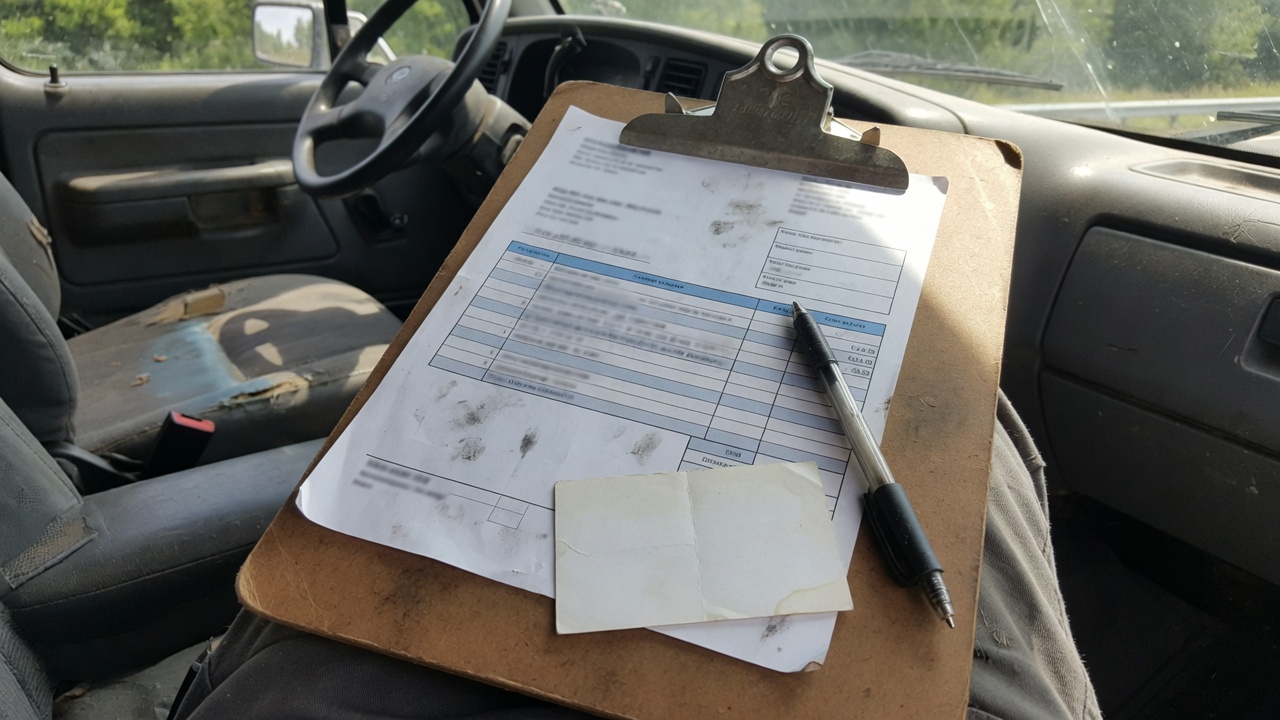
Send the estimate follow-up the same day
You stood in the driveway and priced the job. The customer has the estimate. Then the next call hits, and the follow-up sits in a folder until next week. By then they have hired the shop that wrote back before supper.
This is for the owner of a trade shop or another small shop in the United States. Heating, plumbing, electrical, fencing, pest, roofing. The trade can change. The timing does not. Ethical AI is in Frisco, Texas. The action is the same day. A model may draft the words. A named person hits send before supper.
The week you wait is the week you lose
A homeowner who asked for a price is usually holding two or three estimates. They are not comparing essays. They are waiting to see who still sounds like the person who walked the house. The shop that answers while the visit is fresh gets the questions. The shop that answers next Thursday gets a polite no, or no answer at all.
Same day means the calendar day you gave the price. If you walked the attic at 9 in the morning, the follow-up goes out before you eat supper. If you sent the file at 4, it still goes out that evening, while the hours you publish say a person can be reached. It does not mean a series that starts on day three. It does not mean a Friday pile of every bid from the last ten days.
Sending the note does not buy a higher place on Maps. It does not fill the month. It puts a person from your shop back in front of the customer before the day ends.
What the follow-up is for
The follow-up is not a second estimate. It does not raise the price, cut the price, or add a unit you did not discuss. It confirms the job, the price you already set, and the way to reach a person.
Three beats are enough. Their name. The job in their words. The price as you already wrote it, plus the phone a person answers. If they had a question in the driveway that you could not answer yet, answer that question. If you still do not know, say when you will know. Do not fill the gap with a guess.
Leave out a fake deadline. The customer already heard your voice. Sound like that voice.
The model drafts. A named person hits send
A model can turn your notes into a short draft. Hand it the customer's name, the job in plain words, the price you already chose, and the phone on the truck. Tell it not to add cities, discounts, or a new scope. Then a person reads every line.
The person has a name. Owner, office lead, or the tech who stood in the house. That name goes on the send. "The team" is not a name. A shared inbox with no owner is how the draft sits until Monday.
Read the price out loud against the estimate. If the draft changed a number, put your number back. If it changed the address, put the address back. If it promised a day you do not work, delete the promise. The draft is a helper. The send is yours.
A model may clean up the notes for the truck. It does not get to write the invoice. The follow-up quotes a price a person set. Keep that line human. Keep the model on the notes, not the invoice.
Three sentences when you have no model
Don't have a model in front of you? No problem.
Send three sentences from the truck before you roll to the next stop. You do not need a desk. You need the estimate you just gave them and the phone they already have.
Sentence one names them and the job. "This is the follow-up on the upstairs system we looked at this morning." Sentence two holds the price still. "The price on the estimate is the price, and it covers the work we walked through." Sentence three gives the phone and the window. "I can answer questions at this number until 6."
That is the whole message. Do not attach a second brochure. Do not ask them to fill out a form before you will talk. If you send a link to a page, the phone on that page has to be a real tap, above any long form, with the same digits as the listing and the truck. Put click-to-call above the long form.
Copy it into the text or the email you already use. Hit send. Then go to the next job. Use their words for the room. Do not upgrade their sentence into a diagnosis you have not confirmed.
What you do not send
Do not send five emails. One note, the same day, is the ask. A second note is for a real change, such as a part you had to reprice after you talked to the supplier. Say what changed. Do not circle back on Tuesday, Thursday, and Saturday with the same sentence and a new subject line.
Do not offer a gift, a discount you invented in the truck, or a bonus for signing today. The price is the price you already put on the estimate. If you need to change it, that is a new estimate a person writes, not a sweetener buried in a follow-up.
Do not send from a number the customer has never seen. The number on the listing is the number that rings. Do not promise that a fast reply will move you up a map or fill the month. If they do not answer, call once and stop. Do not add a new price.
Tonight
- Name the person who is allowed to hit send.
- Pull today's open estimates and send the ones that have no follow-up yet.
- Use a draft if you have one. Use three sentences from the truck if you do not.
- Check the price and the phone against the estimate and the listing before the note leaves.
- Stop at one note. Do not build a five-email series to feel busy.
Need the follow-up to leave the same day a person can stand behind? Start at get started (https://ethicalai.me/get-started). The model drafts. A named person hits send. Ethical AI · Frisco, TX · 469-669-2728.